Home Electrical Safety: The Complete Guide
Home electrical safety isn’t just about avoiding shocks or resetting a tripped breaker—it’s about protecting your family, your property, and the long-term health of your electrical system while controlling energy use. The right home electrical safety tips help prevent fires, reduce wasted energy, and extend equipment life. This safety guide covers extension cord safety, electrical inspections, faulty wiring, common issues, power outage preparedness, and holiday lighting for homeowners, property managers, and residential boards. And when you’re ready for a deeper inspection, upgrade, or repair, the licensed electricians at Lywood are ready to help.
Electrical Safety Tips
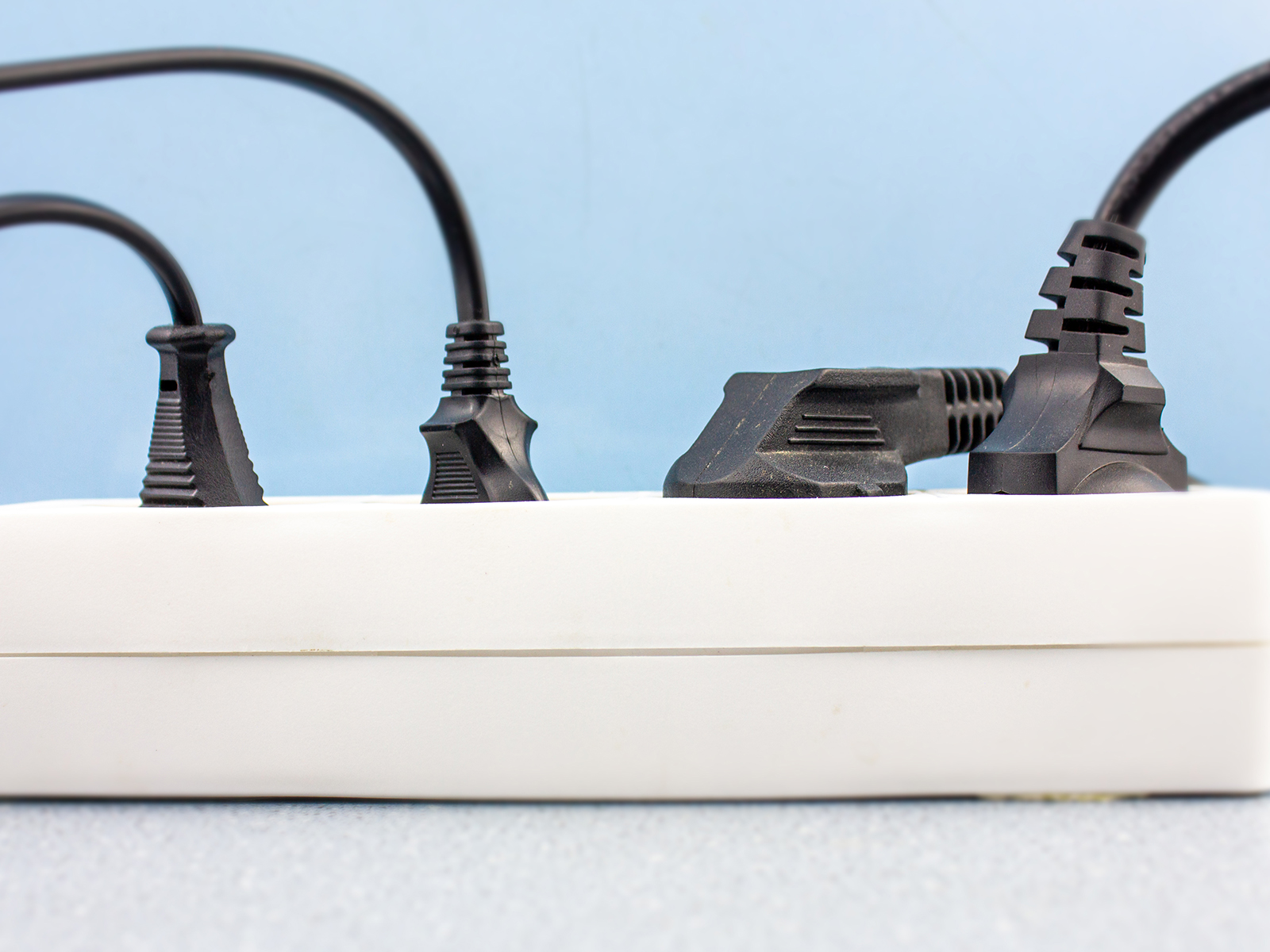
Extension Cord Safety: Dos and Don’ts Most People Forget
Extension cords are convenient but are also a leading source of preventable electrical fires, shocks, and energy waste. Overloading cords, daisy chaining, or using damaged or indoor cords outdoors can cause overheating, short circuits, and tripping hazards. Always choose the right cord for the job—light-duty for small indoor loads, outdoor and heavy-duty cords for larger or exterior use—and look for UL or equivalent listings. Fully uncoil cords, never run them under rugs or through doorways, don’t use them as permanent wiring, and never plug high-draw equipment like space heaters or refrigerators into them. If cords have become a “permanent solution,” Lywood can design and install safe, code-compliant outlets and circuits that improve both safety and energy performance.If your power cuts out when running multiple appliances, you may be dealing with an overloaded circuit, a short circuit, or faulty wiring. Breakers are designed to protect your home from overheating and fire risks, but if it keeps happening, it’s time to investigate further.
Learn more about extension cord safety.
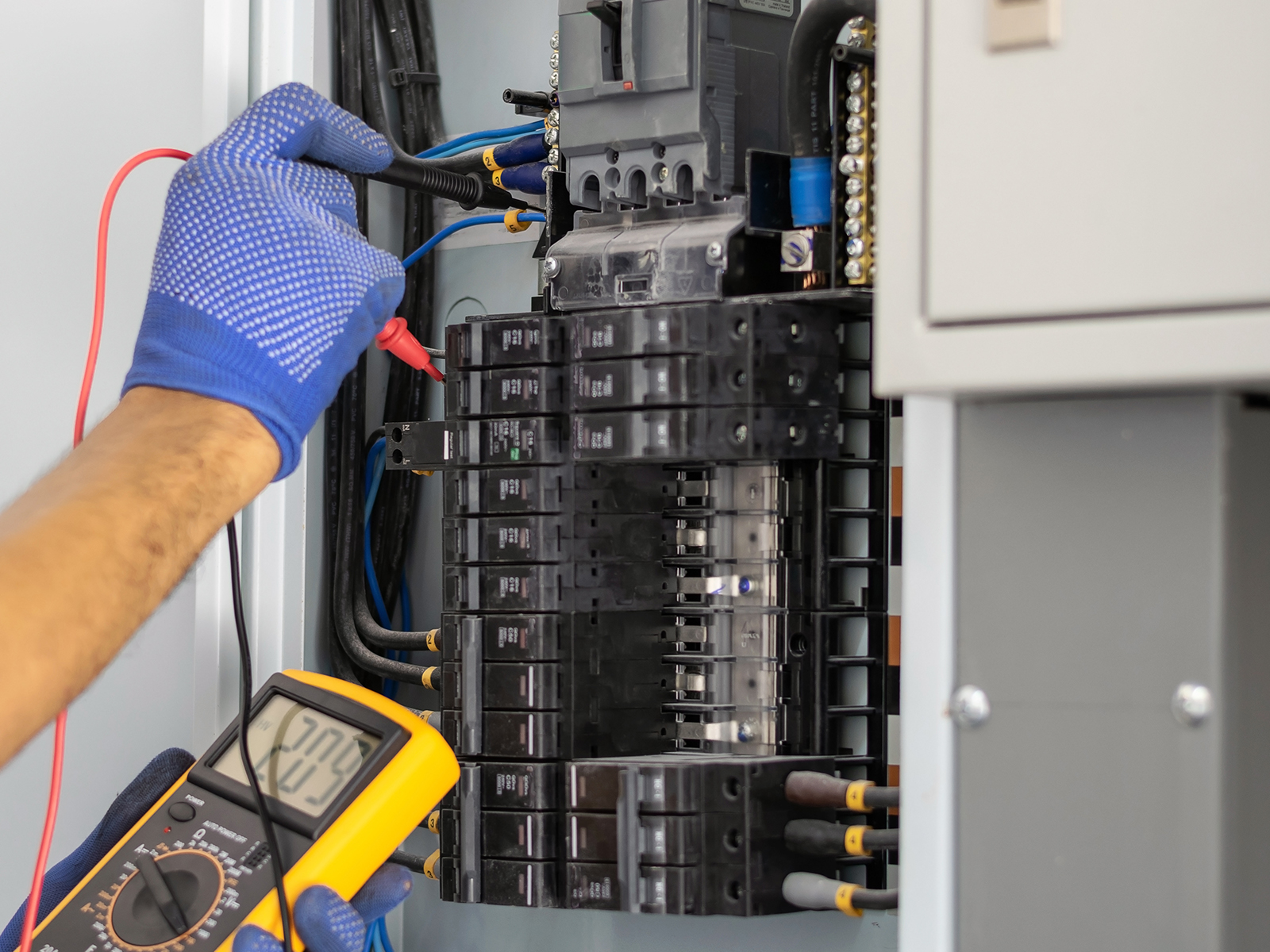
Top Benefits of Electrical Inspection: Why Every Home Needs a Safety Check
A home electrical safety inspection is one of the most effective ways to prevent fires, improve efficiency, and avoid costly surprises. A licensed electrician evaluates wiring, breakers and fuses, outlets and protective devices, and panel, bonding, and grounding conditions to uncover hidden hazards and code issues. This structured electrical safety audit identifies faulty wiring, overloaded circuits, outdated equipment, and inefficiencies that quietly increase your energy bills. It’s especially important before buying or selling, after renovations, in older homes, when problems recur, or when you’re serious about saving energy. Lywood provides detailed inspection reports with prioritized safety and energy recommendations so you can plan upgrades confidently and within budget.Old wiring can’t keep up with today’s power demands. Outdated systems are one of the most dangerous home electrical problems, often leading to shocks, sparks, or even electrical fires. If your home was built decades ago and hasn’t had a wiring update, it may be time for an inspection.
Find out more about electrical inspections.
The Silent Dangers of Faulty Wiring: Signs to Watch For
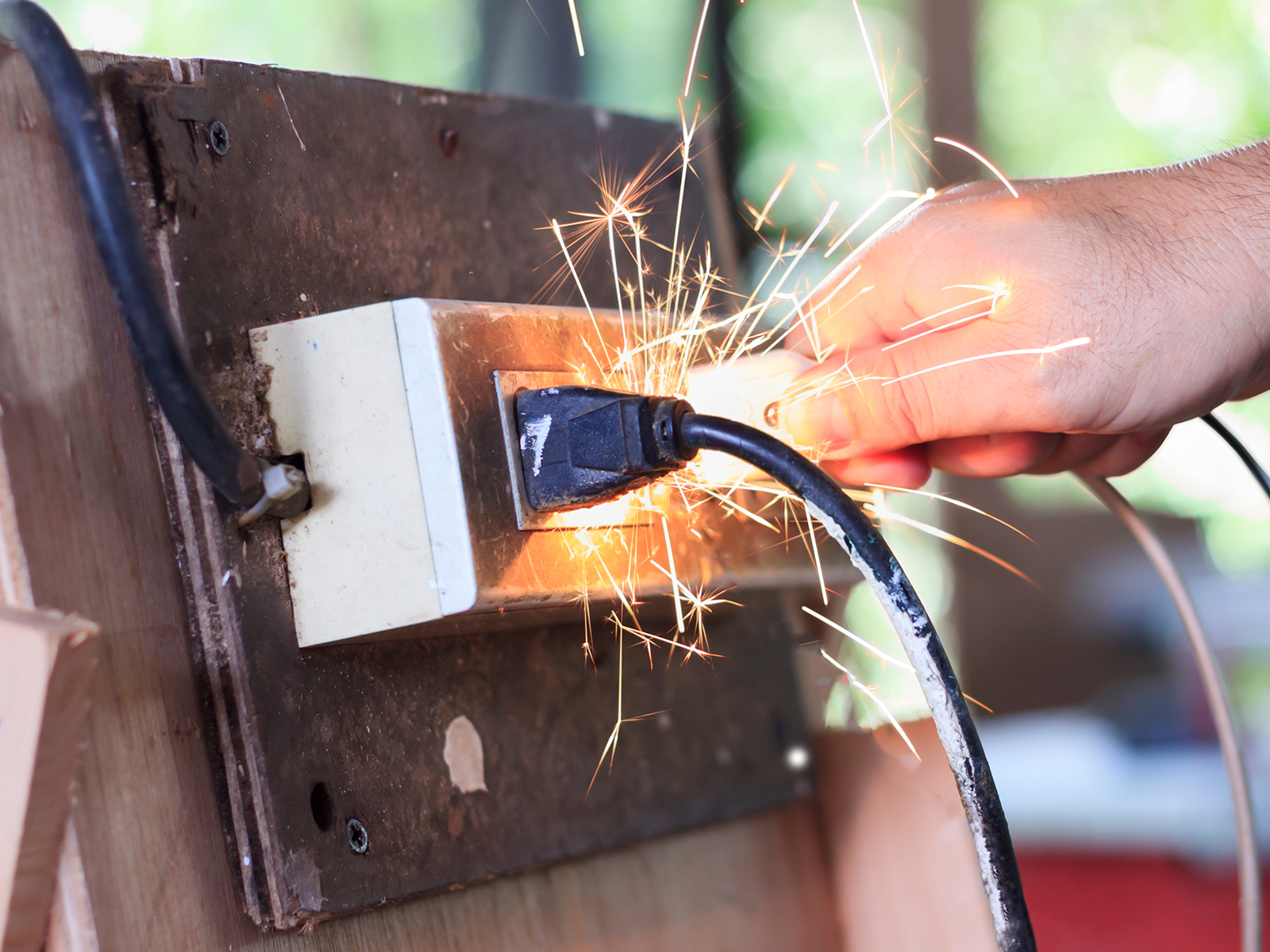
Faulty wiring is a hidden risk that can lead to fires, damaged equipment, higher energy use, and frequent outages—often without visible warning. Older homes with outdated wiring, DIY repairs, and overloaded circuits are particularly vulnerable, and deteriorated connections add resistance and heat that force appliances to draw more power. Warning signs include frequent breaker trips, flickering or buzzing lights, discolored or hot outlets or switches, burning smells, and sparks or crackling when plugging in devices; heavy reliance on extension cords can also signal an undersized system. A single bad device may point to a faulty appliance, but repeated or widespread issues usually indicate deeper wiring or panel problems. Homeowners can look and listen for obvious symptoms, but any suspected wiring fault or panel issue should be addressed by a licensed electrician—Lywood uses professional diagnostic tools to locate and correct problems safely and efficiently.GFCI outlets are designed to protect you from electrical shocks in areas with moisture, like kitchens, bathrooms, and outdoor spaces. However, they can sometimes trip unnecessarily. Repeated tripping may point to an underlying issue, such as ground faults, wiring problems, or faulty appliances.
Discover how to identify faulty wiring.
How to Troubleshoot Common Electrical Issues
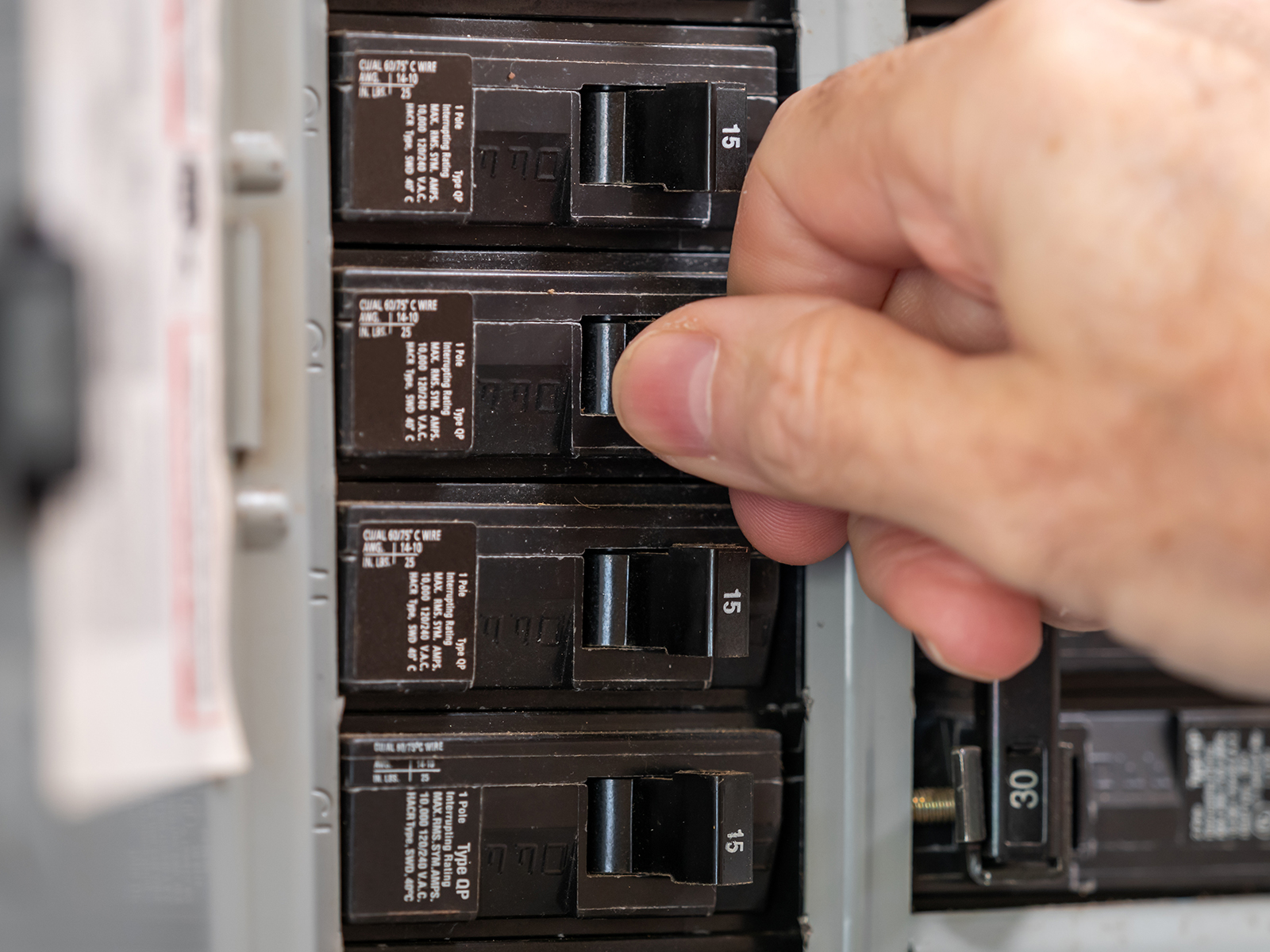
Most homes experience issues like tripped breakers, dead outlets, or flickering lights, and basic troubleshooting—done safely—can help you decide when to call a professional. Always start by turning off power at the panel before touching devices or wiring, using proper tools, and stopping immediately if you notice burning smells, sparking, or visible damage. Simple checks include testing the device in another outlet, resetting a tripped breaker once, and looking for patterns such as specific rooms losing power or lights dimming when large appliances start. Unexplained spikes in your electricity bill can also indicate failing equipment or hidden electrical problems. If you see repeated breaker trips, tingling shocks, scorch marks, buzzing, hot outlets, or water near electrical equipment, it’s time for a licensed electrician—Lywood’s teams isolate faults, distinguish appliance failures from system issues, and implement durable, energy-smart fixes.Plugging something in only to find no power is frustrating. Dead outlets are one of the most common electrical faults and can be caused by a tripped breaker, faulty wiring, or worn-out receptacles. While some fixes are simple, others require professional attention.
Learn more about troubleshooting electrical issues.
How to Prepare for a Power Outage: Essential Safety Tips
With severe weather, grid stress, and aging infrastructure, every homeowner should know how to prepare for a power outage and manage through one safely. Preparation includes an emergency kit with food, water, first aid, flashlights, batteries, a radio, power banks, and backup lighting, along with surge protection for sensitive electronics and a simple family communication plan. Homes that rely on continuous power—for offices, sump pumps, refrigeration, or medical devices—should consider UPS units, portable generators, or standby systems in advance. When the power goes out, confirm whether it’s a utility issue or a local problem, unplug sensitive devices, keep fridge and freezer doors closed, and report the outage. Throughout the event, stay clear of downed lines, operate generators outdoors only, conserve fuel and battery power, and prioritize critical loads. Lywood can help design resilient backup power solutions and transfer systems that keep essentials online efficiently.A light switch that doesn’t work is more than just a nuisance—it could signal loose wiring, a bad connection, or a worn-out switch. Left unresolved, these common electrical issues can turn into safety hazards.
Read about how to prepare for a power outage.
Electrical Safety Tips for Holiday Lights and Decorations
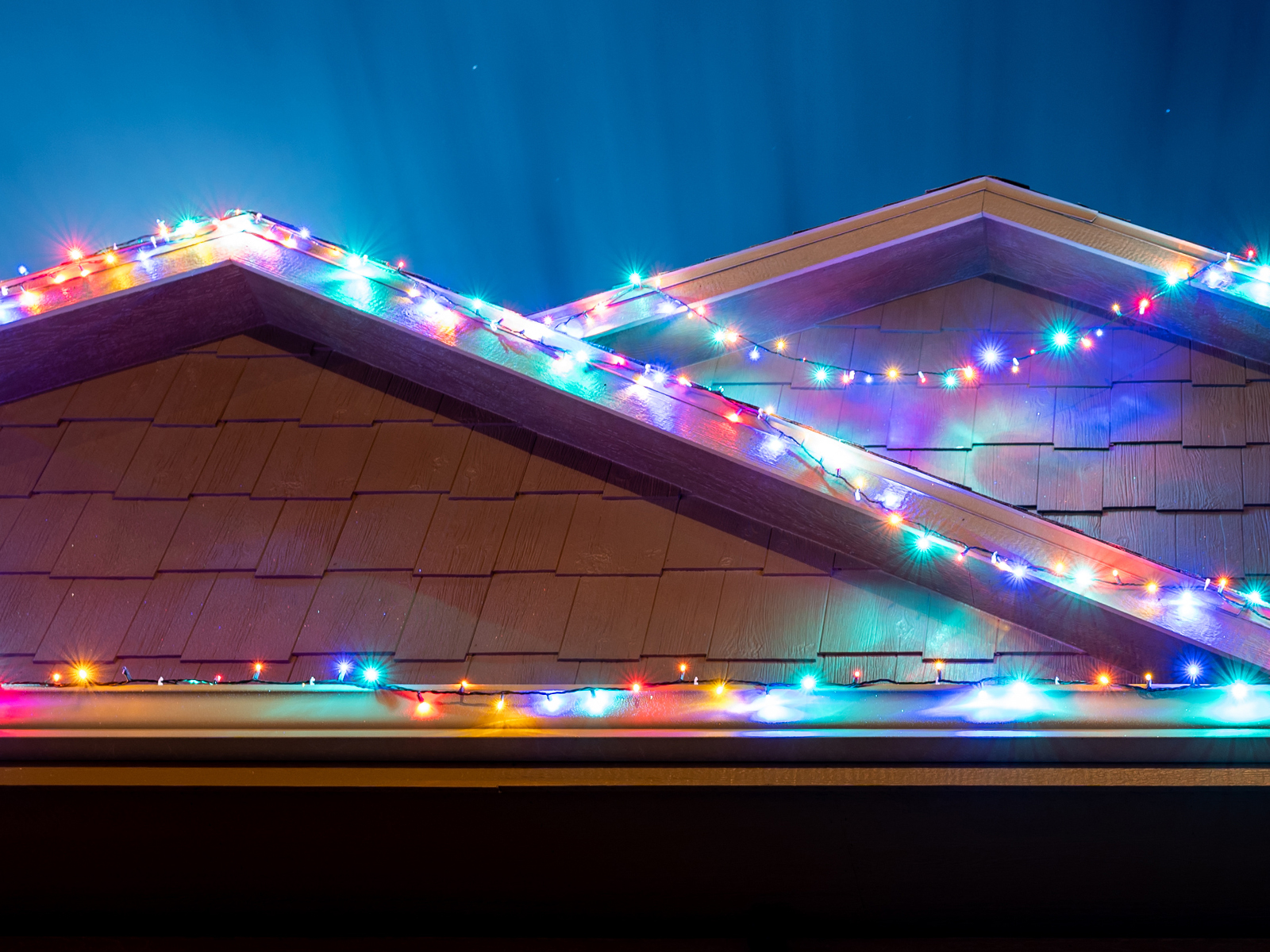
Holiday lighting adds atmosphere but also increases load and fire risk, making holiday electrical safety essential. Overloaded circuits, low-quality or damaged strings, improper extension cord use, and exposure to moisture or snow can all lead to shocks, fires, or nuisance breaker trips. Choose UL-listed products, prefer LED lights for lower energy use and cooler operation, and always match indoor and outdoor ratings correctly. Inspect all light strings and cords before use, respect manufacturer limits on how many strands can be connected, use clips instead of nails or staples, keep connections away from water and heat, and plug outdoor displays into GFCI-protected outlets. Timers or smart controls can shut displays off overnight to improve safety and reduce energy use, and if breakers trip when decorations are on, Lywood can assess your system and recommend appropriate panel or circuit upgrades.Flickering lights may seem like a small annoyance, but they’re often a sign of deeper home electrical problems. Loose bulbs, faulty fixtures, or overloaded circuits may be to blame. If multiple lights flicker in your house, it could indicate dangerous wiring issues that require immediate attention.
Learn more about ensuring your holiday lights are safe.

