Our Services

Extension Cord Safety: Dos and Don’ts Most People Forget

Extension cords are an essential tool for powering devices when electrical outlets are out of reach. However, misuse or neglect can lead to serious safety hazards, including electrical fires, electric shock, and property damage. Practicing proper extension cord safety tips is crucial for protecting your loved ones, your home, and your workplace from these risks.

Understanding the best practices for safe use and recognizing the warning signs of a damaged cord can make all the difference in preventing accidents. Whether you're using indoor cords, outdoor extension cords, or heavy-duty ones for construction sites, following safety precautions is a vital step toward maintaining home safety and fire prevention.

Lywood, a safety-focused electrical contractor specializing in commercial, industrial, and municipal projects, helps organizations reduce their reliance on temporary extension cord setups by designing and implementing safer, code-compliant power distribution solutions tailored to their facilities.
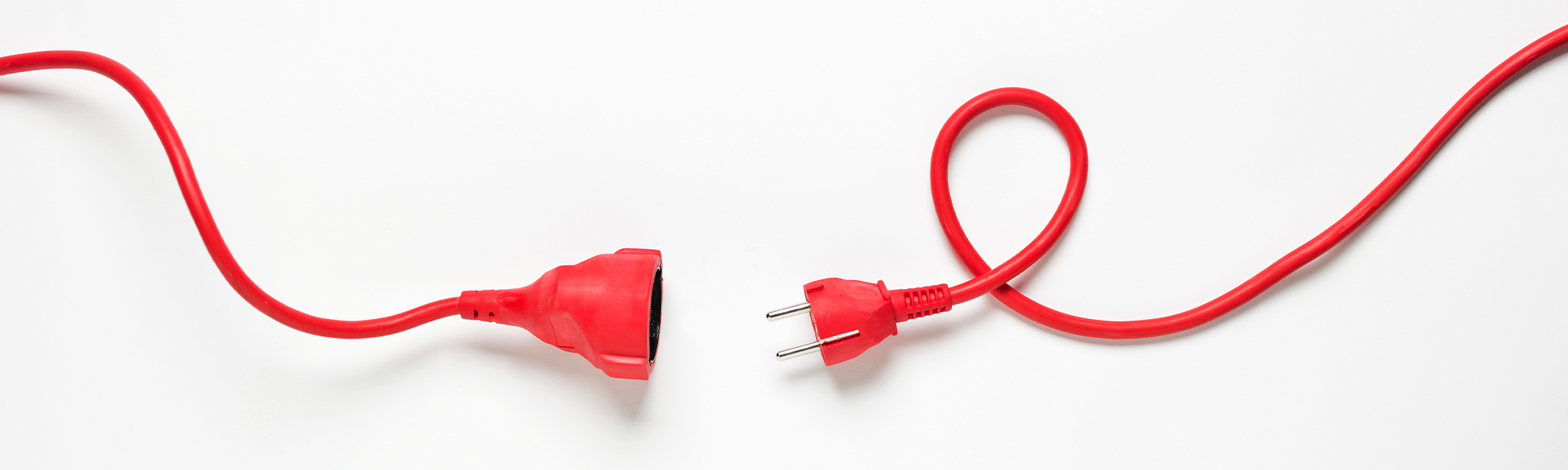
Why Extension Cord Safety Matters

Improper use of extension cords can lead to severe consequences. Overheating is a significant risk that may cause electrical fires and home fires, endangering lives and causing property damage. Tripping hazards are another common issue, especially when cords are placed in areas with high foot traffic, resulting in avoidable accidents.

Damaged cords, such as those with frayed wires or missing ground pins, expose live electrical wires, increasing the risk of electric shock. Overloading circuits by using extension cords beyond their capacity can lead to short circuits, further heightening fire risks. Awareness of these dangers is the first step toward safer extension cord usage.
Core Extension Cord Safety Tips

Best Practices for Safe Use
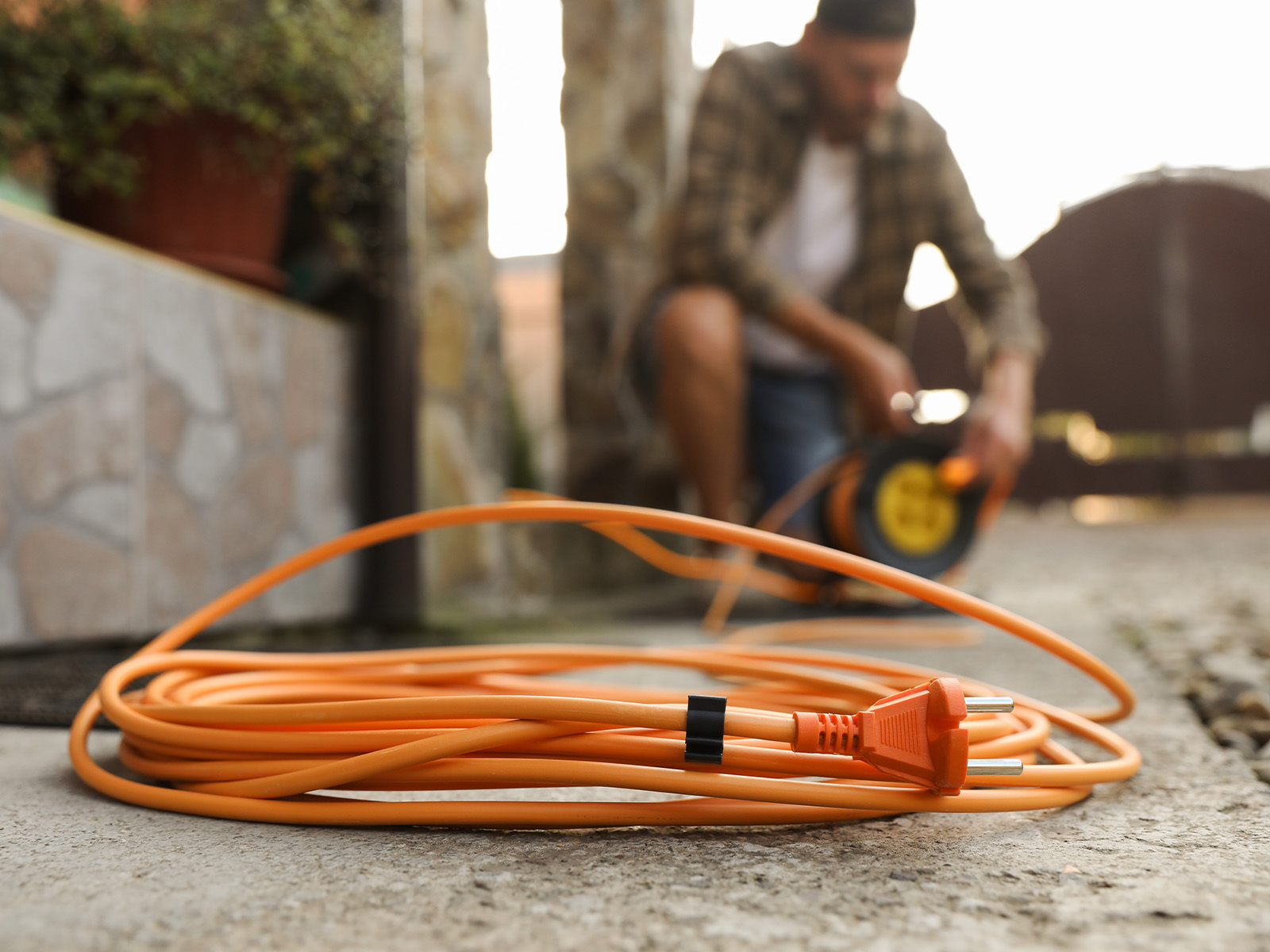
One of the most critical safety precautions is matching the cord's rating to the electrical current and environment. Always inspect cords for signs of damage, such as frayed wires or exposed conductors, before use. Keeping cords uncoiled during operation prevents overheating and reduces the risk of electrical fires.For outdoor use or wet environments, ensure your extension cord has GFCI (Ground Fault Circuit Interrupter) protection to minimize the risk of electric shock. Avoid running extension cords through doorways or under rugs, as this can damage the cord and create a tripping hazard.

Preventing Safety Hazards
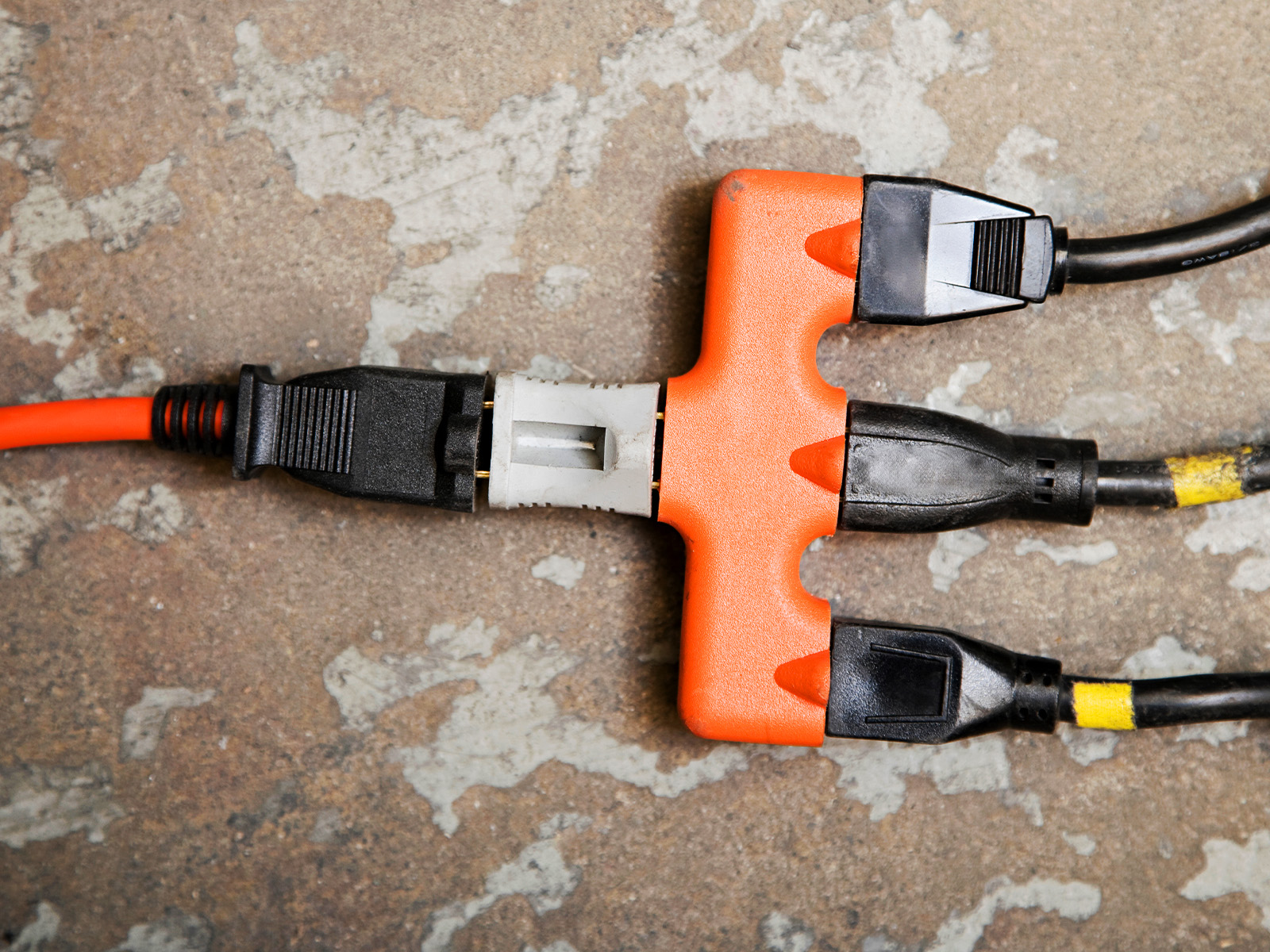
Avoid daisy chaining, or connecting multiple extension cords together, as this practice can overload circuits and increase fire risk. Keep cords away from heat sources, sharp edges, and chemicals that can compromise their integrity. Additionally, route cords in a way that avoids foot traffic to prevent trip hazards and ensure the safety of everyone around.

Lywood’s team can work with facility owners and managers to review existing temporary power practices, identify high-risk extension cord usage, and recommend engineered alternatives that improve both safety and operational reliability.

Extension Cord Safety in the Workplace

In industrial and commercial settings, adhering to OSHA safety standards is essential. Construction sites, plants, and warehouses often require heavy-duty extension cords with proper insulation and high-gauge wiring. Using cord covers can further reduce tripping hazards in high-traffic areas, enhancing overall safety.

Temporary setups should be labeled clearly to ensure proper management and avoid confusion. This helps workers understand the limitations of the setup and prevents misuse, which could lead to short circuits or electrical hazards.

Lywood regularly supports industrial, utility, and municipal clients in designing temporary and permanent power solutions that reduce reliance on extension cords, improve compliance, and support safer day-to-day operations.

How Long Can an Extension Cord Be Used?

Physical Length and Load Capacity

The length of an extension cord affects its performance and safety. Longer cords require a higher gauge to prevent voltage drop and overheating. Using a cord with an insufficient gauge can cause it to overheat, increasing the risk of electrical fires and property damage.

To ensure safe use, always choose the right extension cord for the intended use and electrical needs. For example, powering heavy equipment requires a heavy-duty cord with the appropriate gauge, while light-duty cords are suitable for smaller devices.

Duration of Use

Extension cords are designed for temporary use, not as permanent installations. Using them on a long-term basis exposes them to wear and tear, increasing the risk of electrical hazards over time. When you find yourself repeatedly relying on extension cords, it’s time to consider permanent wiring solutions.

Long-term use of extension cords can lead to safety hazards such as overheating, short circuits, and increased fire risk. Upgrading your electrical system with the help of a licensed electrician ensures a safer and more reliable power source for your home or workplace.

Lywood can help you evaluate whether your current reliance on extension cords is masking deeper capacity or distribution issues and design upgrades that align with code requirements and operational demands.

When to Replace an Extension Cord or Call a Contractor

Extension cords showing signs of damage, such as frayed wires or missing ground pins, should be replaced immediately. Damaged extension cords pose a significant risk of electric shock and fire. Regular inspections help identify these issues early, preventing accidents before they occur.

If you find yourself needing extension cords frequently, it’s time to consult a licensed electrician for permanent wiring or additional circuits. Professional electrical services can provide safe, code-compliant solutions tailored to your needs, ensuring your electrical system can handle your requirements.

Lywood offers comprehensive assessments and installation services for clients who are ready to transition from temporary extension cord setups to properly engineered electrical infrastructure that supports long-term safety and reliability.

Protecting Your Loved Ones and Facility From Electrical Hazards

Extension cords are a convenient solution, but they come with safety hazards that can jeopardize home safety and fire prevention efforts. By following extension cord safety tips and adhering to safety standards, you can significantly reduce risks and protect your loved ones and property.

For long-term safety, consider consulting electrical services to upgrade your setup with permanent wiring. A licensed electrician can help ensure your electrical system meets your current and future needs while complying with safety regulations.

Lywood is committed to helping homeowners, property managers, utilities, and industrial facilities create safer electrical systems that reduce reliance on temporary cords, prevent avoidable incidents, and support reliable operations season after season. To learn more or to schedule an assessment, visit Lywood online or connect with a project specialist today.

Contact our team to schedule an assessment!

Service One Together Line