Our Services

How to Prepare for a Power Outage: Essential Safety Tips

Power outages can strike unexpectedly, whether due to a winter storm, aging infrastructure, or high demand on the power grid. Being prepared for a power outage is not just a good idea—it’s essential for ensuring safety, continuity of operations, and comfort during blackouts, both short-term and extended. For homes, businesses, and critical facilities, taking proactive steps can help safeguard your property, protect critical medical devices and operational equipment, and maintain access to basic necessities like food and water.

From creating an emergency preparedness kit to understanding generator safety, knowing how to prepare for a power outage can make all the difference. Whether it’s ensuring you have backup power or staying informed through a battery-powered radio, the right strategies can keep your family, employees, and community safe when the lights go out. Join Lywood as we explore the essential tips to get you ready for any unexpected power cut.

Why Power Outage Preparation Matters

Power outages can disrupt daily life and business operations in an instant, leaving homes, facilities, and municipal infrastructure without essential electrical power. Proper preparation is crucial to minimize risks, protect family members and staff, and maintain access to critical resources like food, water, communications, and control systems.

For organizations that manage critical loads—such as water treatment plants, pumping stations, industrial processes, data systems, or medical equipment—power outage preparation is directly tied to safety, compliance, and reliability. By taking proactive measures, you can ensure the safety and well-being of loved ones, employees, and end users during both short-term blackouts and extended outages.

Types of Power Outages

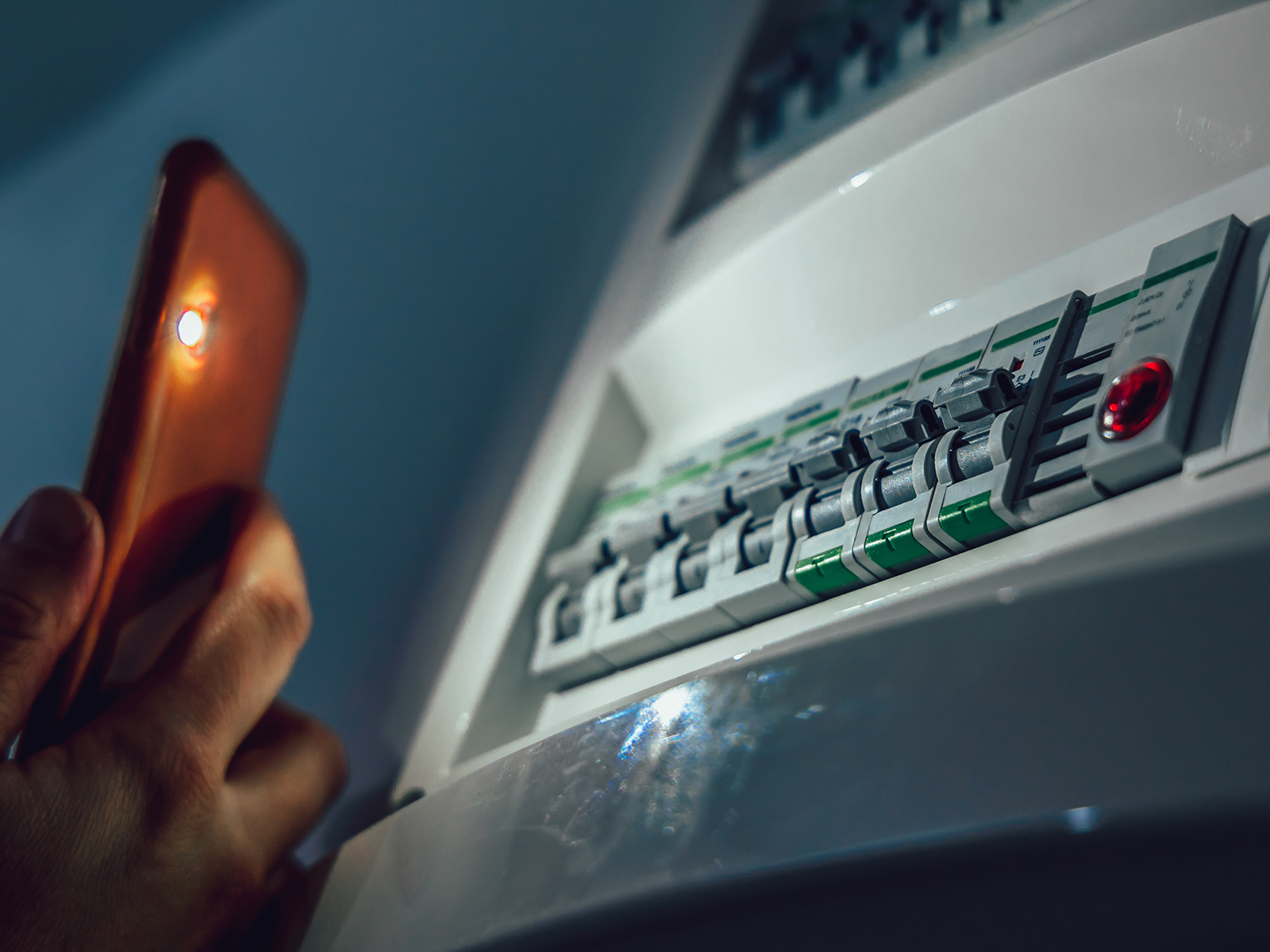
Power outages can be categorized into planned and unplanned events. Planned outages are typically scheduled by your utility company to perform maintenance on power lines or upgrade infrastructure. These are an opportunity for facility managers to test backup power systems and validate emergency procedures. Unplanned outages, on the other hand, may result from natural disasters, accidents, grid instability, or equipment failure.

Blackouts can also vary in duration. Short-term outages might last only a few hours, while long-term outages could persist for days or even weeks. Common causes include winter storms, grid strain during extreme weather, and aging infrastructure that can no longer keep up with modern demands. Understanding these outage types helps homeowners, businesses, and municipalities design appropriate power resilience strategies.

How to Prepare for a Power Outage in Advance

Preparation is key to managing the impact of a power outage. Start by creating an emergency evacuation and communication plan and reviewing emergency plans with all family members, employees, or facility staff. Knowing what to do in an emergency can help reduce stress and confusion when the power goes out.

Assemble an emergency kit that includes non-perishable food, bottled water, and a first aid kit. Be sure to include extra batteries, power banks, and a battery-powered radio to stay informed about the situation. For facilities, consider additional emergency lighting, portable chargers, and backup communication devices. Surge protectors are also essential to protect electrical appliances and critical electronics from damage when power returns.

Consider investing in a portable generator or another backup power source to maintain essential operations during extended outages. For larger facilities or municipal infrastructure, standby generators and automatic transfer switches help ensure seamless transitions when main power is lost. Ensure that important documents—such as identification, medical records, insurance policies, and critical site drawings—are stored in plastic containers to protect them from water damage.

What to Do During a Power Outage (Safety and Comfort)

Prioritize Safety During Outages

During an outage, safety should remain your top priority. Avoid downed power lines at all costs, as they can still be energized and pose a life-threatening risk. Report any such issues to local officials or your utility provider immediately. To prevent carbon monoxide poisoning, only use generators and other fuel-powered equipment in well-ventilated outdoor areas.

In cold weather, wear warm clothing and layer up to stay warm. Facilities should evaluate building insulation and temporary heating options that do not rely on unsafe open flames. Conversely, during hot weather, use air conditioning sparingly if you have backup power or a portable generator available, and rely on natural ventilation where possible.

Conserve Resources

Conserving your resources can make a big difference during extended outages. Keep refrigerator and freezer doors closed as much as possible to maintain cold temperatures. A full freezer can keep food frozen for up to 48 hours if left unopened. Use emergency lighting and cordless phones only when absolutely necessary, and prepare meals using a gas stove or other portable cooking devices rated for indoor or outdoor use, as directed by the manufacturer.

In commercial or industrial settings, prioritize power for critical systems where backup power is available and minimize non-essential use. This helps extend the runtime of batteries, fuel supplies, and backup systems.

Maintain Communication

Staying connected is vital during a power outage. Charge your mobile phone using battery backups or power banks, and stay informed with updates from a battery-powered radio. Communication with loved ones, employees, and local officials can help ensure everyone’s safety and provide critical information about the situation.

For organizations, a communication plan that includes phone trees, mass notification tools, or radio systems can streamline response and keep teams updated on restoration status, safety alerts, and operational decisions.

When a Power Outage Becomes an Emergency

While most power outages are manageable with proper planning, some situations escalate into emergencies. Signs of a power outage emergency include electrical fires, exposed wiring, flooded rooms, or significant damage to your home’s or facility’s infrastructure. These situations require immediate attention to prevent harm to family members, staff, and your property.

In such cases, contact emergency numbers for life-safety issues and seek help from local authorities. If you notice downed power lines or other dangerous conditions, report them to your utility company for quick resolution. Always prioritize safety and follow the guidance of local officials during emergencies.

Additionally, ensure your home or facility is equipped with safety tools such as carbon monoxide detectors, fire extinguishers, and a battery-powered radio to monitor updates. These devices can provide critical alerts and ensure everyone remains safe until power returns. It’s also important to stay informed and follow safety guidelines issued by your power company or emergency services.

How Lywood Helps You Prepare for the Next Power Outage

At Lywood, we specialize in helping you stay resilient during power outages by offering solutions like backup power systems, surge protection, and infrastructure upgrades tailored to residential, commercial, industrial, and municipal environments. Our team of experts can assess your home, facility, or utility infrastructure to identify vulnerabilities and provide tailored recommendations for improving your power resilience.

From installing standby generators and automatic transfer switches to upgrading power distribution, high-voltage systems, and automation controls, we’re here to ensure your safety and comfort during blackouts. Our focus on safety, reliability, and long-term performance means your critical systems are supported when the grid goes down.

Whether you’re a homeowner, a business owner, a utility provider, or part of a municipal organization, Lywood has the expertise to support your emergency preparedness needs. Contact us today for a power resilience review or to discuss infrastructure upgrades that will keep you, your operations, and your community protected during the next power outage.

Contact our team if you are experiencing a power outage!

Service One Together Line