How to Save Electricity in the Summer Without Sacrificing Comfort
That first heat wave hits, the air conditioning starts running longer, and the next electric bill arrives with a surprise. Understanding how to save electricity in the summer usually comes down to a few controllable factors that quietly stack up across the month. This guide from Lywood walks through the biggest drivers of summer energy costs and the most practical fixes, from thermostat strategy to sealing air leaks and shifting appliance use.
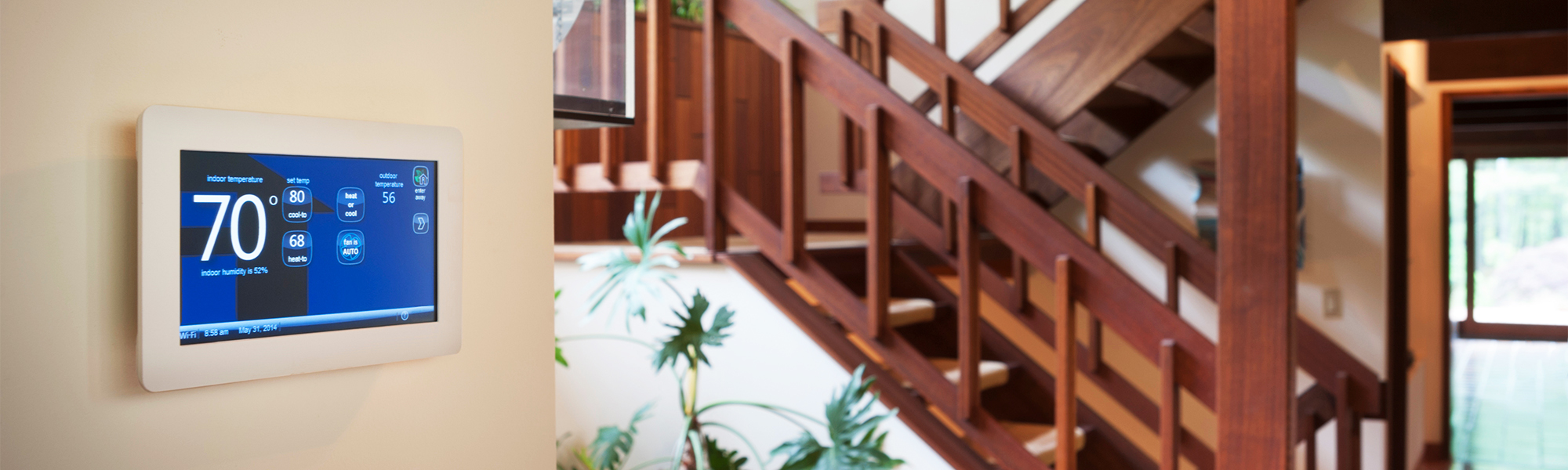
Why Summer Electric Bills Spike and What You Can Control
Summer bills jump for three main reasons: longer air conditioning runtimes, higher humidity, and the way households use power during hot afternoons. When outdoor temperatures climb, HVAC systems run more often and for longer cycles, and humidity makes the system work harder because it must remove moisture as well as heat. Even though daylight lasts longer, many homes still add load in the evening with cooking, laundry, and entertainment while the house is already warm.
Your cost is primarily driven by kWh, meaning kilowatt-hour usage, not just the thermostat number. A kilowatt-hour is simply a measure of how much electricity you used over time, and air conditioning can dominate that total in summer. Utility rates can also change seasonally, and some plans use time-of-use pricing where electricity costs more during peak hours, often late afternoon to early evening.
In some areas or building types, demand charges or peak demand pricing can apply, which penalizes short periods of very high usage. That is why “everything on at once” during the hottest hour can be disproportionately expensive. The good news is that the biggest controllables are straightforward: thermostat setpoint, heat gain through windows and air leaks, airflow, equipment efficiency, and the timing of high-load activities.
If you are in Maryland, it is worth consulting with the professionals at Lywood, a trusted electrician, before changing habits. Knowing your utility rates, peak hours, and whether time-of-use pricing applies helps you target the same comfort with fewer kWh.
Quick Self Audit: Find Your Top Three Summer Energy Drains
Start with your last two or three summer bills and note the kWh used and the billing period dates. Compare that to a spring or fall bill to estimate the seasonal jump, then look for notes about rate changes or peak-hour pricing.
Next, identify likely culprits in your home. Common summer drains include:
- Air conditioning runtime from a low thermostat setpoint or long afternoon operation
- Poor insulation and air leaks around doors, windows, and attic hatches
- Older HVAC equipment or a neglected air filter that restricts airflow
- Inefficient lighting that adds heat, especially older bulbs
- Pool pumps running too long or at the wrong time
- Dehumidifiers running alongside AC with overlapping setpoints
Pick the top three that seem most plausible for your space, because those are where you will get the fastest payback.
Comfort vs. Cost: Set a Realistic Goal
Define what “success” means before you change anything. A practical target is a 10- to 20-percent reduction in kWh, a noticeable reduction in peak-hour usage, or keeping indoor humidity comfortable without overcooling.
Expect small changes to compound rather than producing one dramatic drop overnight. In most homes, the air conditioning strategy yields the biggest savings, then sealing and shading come next.
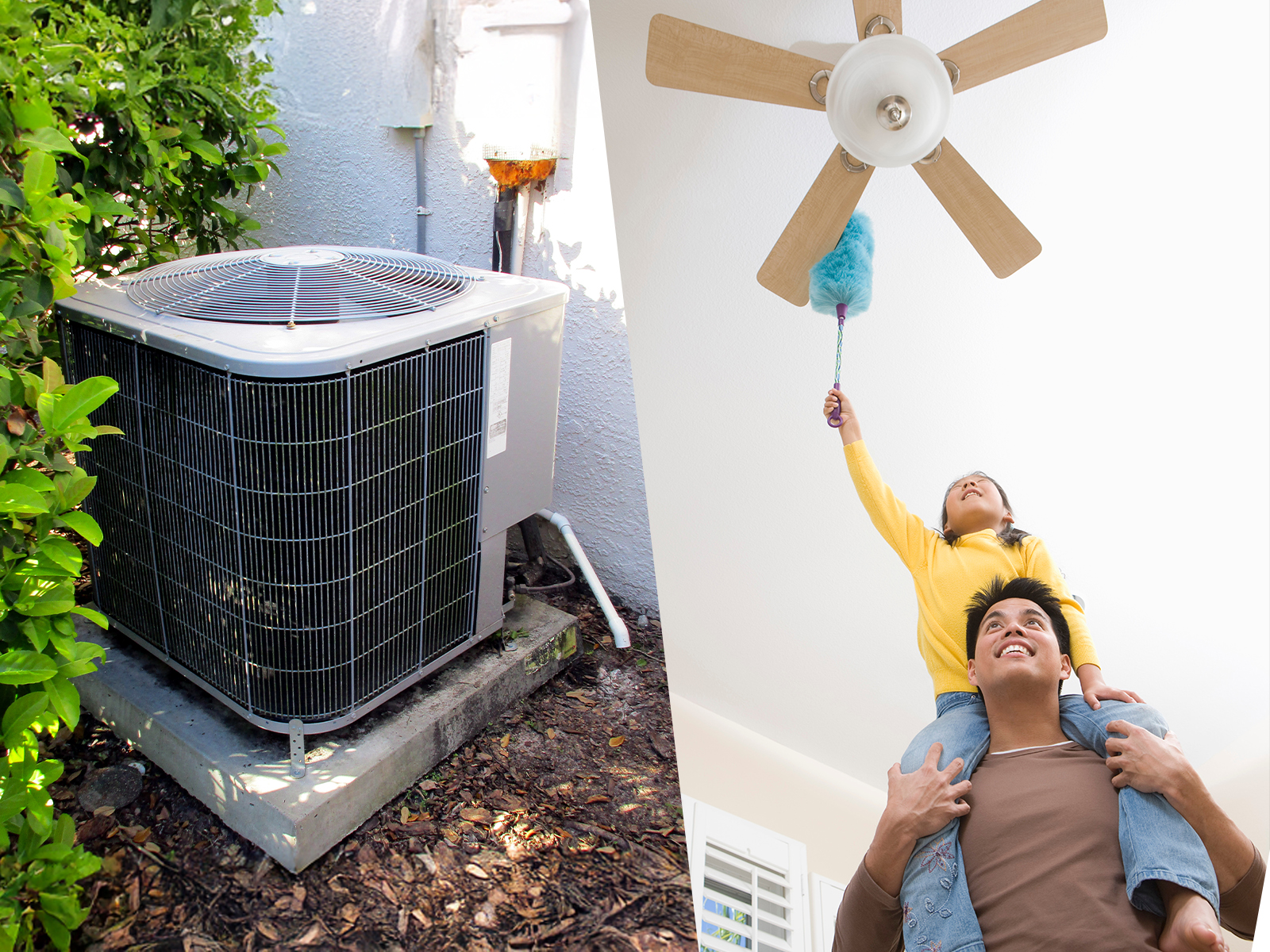
Air Conditioning: The Highest Impact Summer Savings
Air conditioning is usually the largest single driver of summer energy costs, so small improvements matter. The simplest lever is raising the thermostat setpoint by a couple degrees and using schedules so the system does less work when you are asleep or away. Avoid extreme setbacks that let the house get very hot, because the long recovery run can erase the savings and feel uncomfortable.
Maintenance is the next big win because restricted airflow forces longer runtimes. Replace air filter media on schedule, keep air vents open and unblocked, and make sure the outdoor condenser is clear of leaves and debris so the condenser unit can reject heat efficiently. If it has been a while, an HVAC check-up or HVAC tune-up can catch low refrigerant, dirty coils, and airflow issues that quietly raise kWh.
Fans are a low-cost assist when used correctly. A ceiling fan or box fan cools people, not rooms, so it only saves energy when it lets you keep a higher thermostat setting. For long-term savings, consider equipment efficiency and sizing; if your system is old, replacing it with an efficient heat pump or high-efficiency air conditioning system rated for SEER2 can reduce consumption, especially in humid regions.
Thermostat Settings That Balance Comfort and Savings
Aim for a modest increase of 1 to 3°F from your current setting and keep it consistent with a schedule. Gradual changes help because the home’s thermal mass stays more stable, reducing the need for long, hard cooling cycles.
If time-of-use pricing applies, pre-cool slightly before peak hours and ease back during the expensive window. That approach reduces peak demand without forcing you to sweat through the worst part of the day.
A/C Alternatives for Mild Days
When outdoor conditions are reasonable, use fans and ventilation to delay turning on A/C. A whole-house fan can be effective in the right climate, and a simple box fan in a window can pull cooler evening air through the home.
Night ventilation works best when outdoor air is cooler and dry. Skip it on high humidity days or when outdoor air quality is poor, because bringing in damp or smoky air can raise indoor discomfort and drive more cooling later.
Humidity and Climate: Adjust the Strategy
In humid climates, prioritize dehumidification and airflow so you can stay comfortable at a higher thermostat setpoint. Avoid pulling in humid outdoor air during the day, and do not run a dehumidifier so aggressively that it fights the A/C.
In dry climates, evaporative cooling and night flushing can reduce air conditioning runtime significantly. The key is timing: ventilate when the outdoor air is coolest, then seal up and shade during the hot hours.
Block Heat Before It Enters: Windows, Insulation, and Air Leaks
The cheapest cooling is the cooling you never need to produce. Heat enters through windows via solar heat gain, through the attic and roof, and through air leaks that let hot outdoor air replace cooled indoor air. Reducing that heat gain lowers both runtime and peak demand, especially during the hottest afternoons.
Start with windows because direct sun can overwhelm a room quickly. Close blinds or curtains on sun-facing sides during peak sun hours, and consider reflective treatments or window film where glare and heat are severe. Exterior shading like awnings, shutters, or trees is often more effective than interior coverings because it stops heat before it crosses the glass.
Air leaks are the next target because they are common and fixable. Use weatherstripping on doors and operable windows, add a door sweep, and seal gaps with caulk around trim, plumbing penetrations, and attic hatches. Insulation matters year-round, but attic insulation is often the best first upgrade because it reduces heat transfer from the roof into living space in summer and slows heat loss in winter.
Fast Fixes You Can Do in an Afternoon
Focus on the spots that leak the most air and receive the most sun. A short, high-impact checklist is:
- Install door sweeps and refresh weatherstripping on exterior doors
- Seal obvious gaps with caulk around window trim and utility penetrations
- Close blinds on sunny exposures, and use heavier curtains in hot rooms
These steps reduce drafts, stabilize indoor temperature, and make the thermostat more effective.
Bigger Upgrades With Bigger Payback
If you own the home and plan to stay a while, prioritize upgrades that improve comfort as well as efficiency. Energy-efficient windows or high-quality window film can reduce solar heat gain and hot spots, especially on west-facing glass.
Also consider attic insulation and duct sealing. Duct leaks in attics or crawlspaces can dump cooled air outside the living area, forcing longer HVAC runtimes and higher kWh, even when the thermostat looks reasonable.

Cut Everyday Electricity Use: Lighting, Appliances, and Hot Water
Cooling is the headline, but everyday electricity use still matters because many loads create heat that the A/C must remove. Switching to LED light bulbs reduces lighting energy and reduces indoor heat compared with older bulbs, which helps twice. Use daylight strategically by opening shades on the cooler side of the home and shading the sunny side, rather than lighting every room.
Appliances are another hidden heat source. Cook outdoors when you can, or use a microwave, slow cooker, or air fryer instead of the oven during the hottest part of the day. Run the dishwasher at night, use full loads, and let dishes air-dry if your model allows it to avoid added heat.
Laundry can be optimized without sacrificing cleanliness. Wash in cold water, air-dry when possible, and clean the dryer lint filter every cycle so the machine moves air efficiently and finishes faster.
Hot water also affects summer bills, especially with long showers. If safe for your household, lower the water heater setpoint modestly, insulate accessible hot water pipes, and shorten showers to cut both water and energy costs.
Peak-Hour Habits That Move the Needle
If your plan includes peak hours or time-of-use pricing, shifting timing can reduce costs even if total kWh stays similar. Run heat-producing appliances early in the morning or later in the evening, when the home is cooler and rates may be lower.
Standby loads are smaller individually but add up across a month. Unplug unused chargers and use smart power strips for TVs, game consoles, and office gear that draw power even when “off.”
High-Use Extras: Pools, Dehumidifiers, and EV Charging
Pools can be a major summer load. Schedule the pool pump to run during off-peak windows, and make sure runtime is right-sized for your pool rather than set to an arbitrary all-day schedule.
Dehumidifiers are helpful in damp basements, but they should be used strategically. Set them to a realistic humidity target and avoid overlapping operation with aggressive A/C settings, because one device can increase the other’s workload.
If you have an EV, charging timing matters. Charge off-peak when your utility rates support it, and avoid stacking EV charging with cooking, laundry, and heavy cooling during peak demand windows.
Example Savings Plan + Mistakes to Avoid
A short plan helps you avoid random tweaks that do not stick. Here is a simple seven-day approach that builds savings without sacrificing comfort.
- Day 1: Adjust thermostat setpoint and program a schedule, then replace the air filter.
- Day 2: Seal the biggest air leaks with weatherstripping and caulk.
- Day 3: Add shading with blinds, curtains, or window film on the hottest exposures.
- Day 4: Swap the most used bulbs to LED and reduce unnecessary lighting.
- Day 5: Shift dishwasher and laundry to evening and reduce oven use.
- Day 6: Optimize fan strategy with ceiling fan direction and room-by-room use.
- Day 7: Review kWh, comfort, and humidity, then refine one setting at a time.
A realistic example: raising the thermostat 2°F, sealing obvious leaks, and replacing several high-use bulbs with LED light bulbs often cuts daily runtime enough to reduce monthly kWh noticeably. Add peak shifting, like running the dishwasher and laundry after peak hours, and the same usage can cost less under time-of-use pricing.
Avoid common mistakes that waste energy without improving comfort. Do not crank the A/C lower to cool faster, because it only makes the system run longer. Do not run fans in empty rooms, block air vents with furniture, or skip filter changes, since restricted airflow and poor circulation raise energy costs.
If bills remain high, review plan details and peak-hour rules with Lywood, especially for Maryland households where summer demand can be intense. At that point, an energy audit can identify insulation gaps, duct leaks, and HVAC issues that are hard to spot without testing.
Mini Case Study: Renters vs. Homeowners
Renters can still make meaningful gains with reversible changes. Curtains, removable window film, smart plugs, portable fans, and draft stoppers reduce heat gain and standby loads without altering the property.
Homeowners can pursue deeper upgrades with longer payback. Attic insulation, duct sealing, an HVAC tune-up, a smart thermostat or programmable thermostat, and efficient equipment can improve comfort, reduce peak demand, and lower kWh across multiple seasons.
How to Track Results Without Overthinking It
Use a simple before-and-after comparison. If your utility provides weekly kWh, compare week to week while noting unusual heat or travel, and if not, compare bill-to-bill while accounting for the billing period length.
Also track indicators that reflect real comfort. Thermostat runtime, indoor humidity, and whether certain rooms still feel hot are practical signals that your changes are working or that insulation, ducts, or ventilation need attention.
Lower Your Summer Energy Costs
Lowering summer energy costs is mostly about reducing heat gain, improving HVAC performance, and using electricity at smarter times. Start with the high-impact basics: a sensible thermostat schedule, a clean air filter, shaded windows, and sealed air leaks. If you want to go further, attic insulation, duct sealing, and an HVAC check-up can deliver lasting comfort and steadier electric bills, especially during Maryland heat and humidity. If you need additional tips or a more thorough evaluation of your electric use, contact the team at Lywood today!
FAQs
What is the best thermostat setting to save electricity in summer?
Use the highest comfortable setting and keep it consistent with a schedule. A 1 to 3°F increase in thermostat setpoint, paired with fans, often reduces air conditioning runtime without a big comfort hit.
Do ceiling fans save electricity if I leave them on?
A ceiling fan saves energy only when it helps you feel comfortable at a higher thermostat setting. Turn it off when no one is in the room because fans cool people, not the air.
Is it cheaper to leave the A/C on all day or turn it off?
It is usually cheaper to reduce cooling when you are away using a schedule rather than holding the same temperature all day. Avoid extreme setbacks that cause a long recovery run during the hottest hours.
How can I keep my house cool without air conditioning?
Block sun with blinds and curtains, seal air leaks, and use fans for airflow. Ventilate at night only when outdoor air is cooler and dry, and avoid heat-producing appliances during the day.
Why is my electric bill so high in the summer even with moderate A/C use?
Heat gain from leaky windows and doors, poor insulation, dirty filters, duct leaks, and high humidity can raise kWh even with a reasonable thermostat. Time-of-use pricing and peak hours can also increase costs if most usage happens late afternoon.

