Our Services

What’s the Difference Between a Circuit Breaker and a Fuse?

When it comes to protecting an electrical system, the debate of fuse vs. circuit breaker is a critical one. Both play a vital role in maintaining the safety of an electrical circuit by preventing damage caused by power overloads or short circuits. Understanding the difference between fuse and circuit breaker functionality can help homeowners and professionals make informed decisions about their use in various applications.

While both devices serve as essential safety features, they operate in different ways and are suited for specific scenarios. In this guide from Lywood, we’ll explore how a fuse works, how a circuit breaker works, and the key differences between these electrical safety devices to help you choose the right solution for your needs.
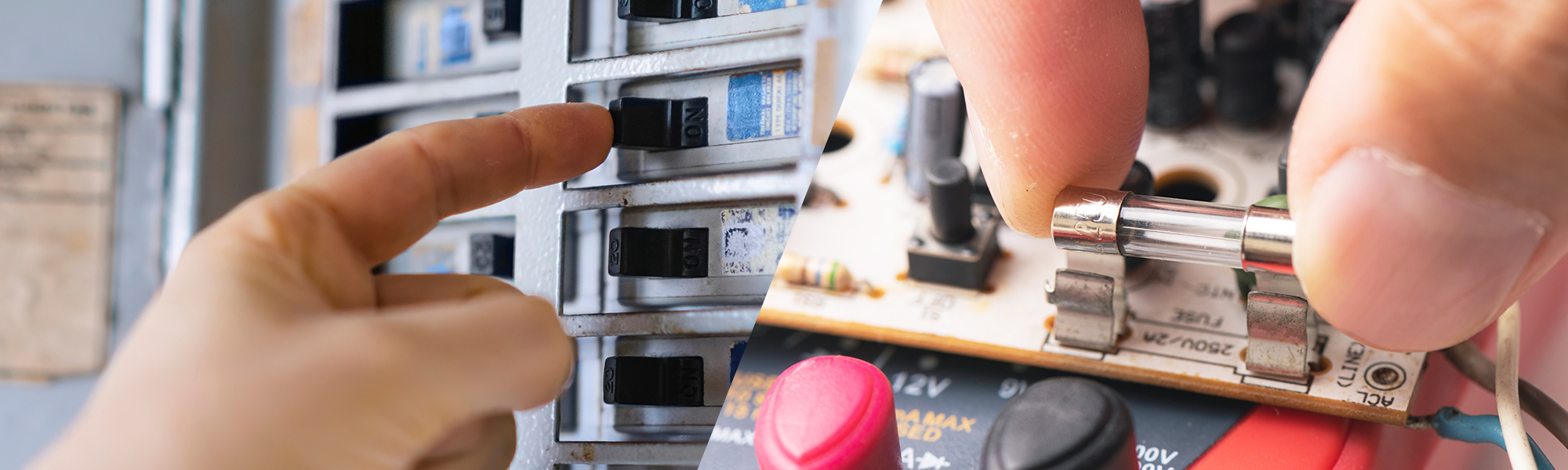
What Are Fuses and Circuit Breakers?

Understanding Fuses

A fuse is a low-cost electrical safety device designed for single use. Its primary purpose is to protect electronic equipment and other electrical devices from damage caused by excessive current or power overloads. Fuses are commonly found in older electrical systems and smaller applications, such as automotive systems or specific electronic equipment.

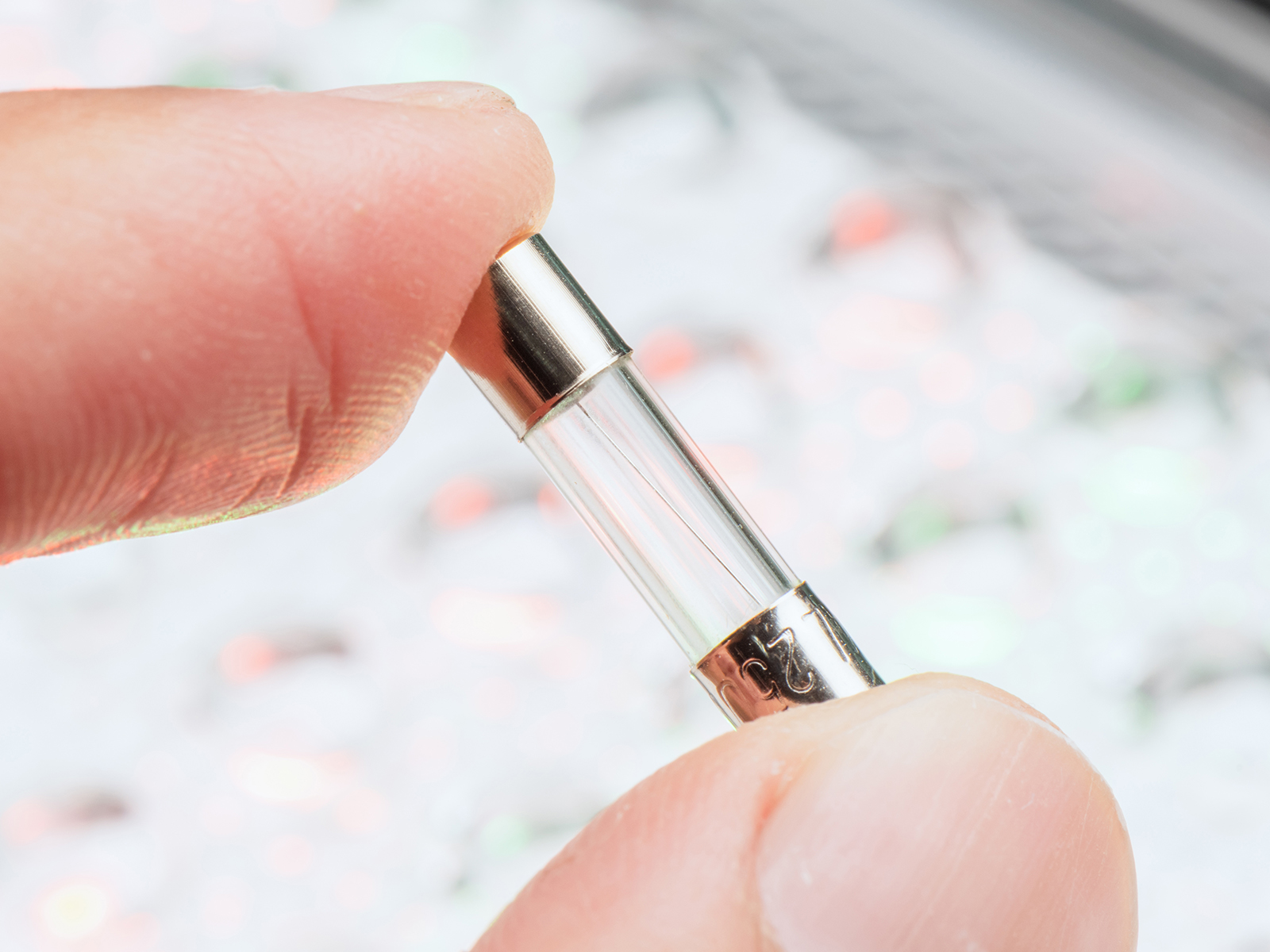
The core component of a fuse is a metal wire or fuse element. This element is calibrated to melt when excessive current passes through it, effectively breaking the electrical circuit and stopping the flow of electricity. This simple mechanism provides overcurrent protection by preventing damage to your devices and wiring during overcurrent conditions.

Understanding Circuit Breakers

A circuit breaker is a resettable electrical switch designed to protect an electrical system from overcurrent and other electrical faults. Unlike fuses, circuit breakers can be reused after tripping, making them a more practical solution for long-term use in residential and commercial settings.

Circuit breakers rely on more complex components, such as a bimetallic strip or a magnetic mechanism, to detect overcurrent conditions. When a fault, such as a power surge or short circuit, is detected, the breaker trips and interrupts the electrical current flow. This ensures the electrical system operates safely and prevents damage to the distribution board or connected devices.

How a Fuse Works in Your Electrical System

A fuse functions as a sacrificial device in your electrical system. When much current passes through the fuse element, it heats up and melts. This action breaks the electrical circuit, stopping the flow of electricity and protecting connected devices from damage caused by excessive current or power overloads.

Fuses are commonly installed in fuse holders, fuse boxes, or fuse blocks, depending on the application. For example, blade fuses are often used in automotive applications, while larger fuses may be part of industrial power distribution systems. However, once a fuse has melted, it requires manual replacement, which can be inconvenient and may necessitate keeping spare fuses on hand.

How a Circuit Breaker Works

Circuit breakers, on the other hand, work by automatically tripping when they detect overcurrent conditions, such as a short circuit or a power surge. This action interrupts the current flow and prevents damage to the electrical circuit. Depending on the design, the circuit breaker can be reset manually or may include an automatic reset feature for ease of use.

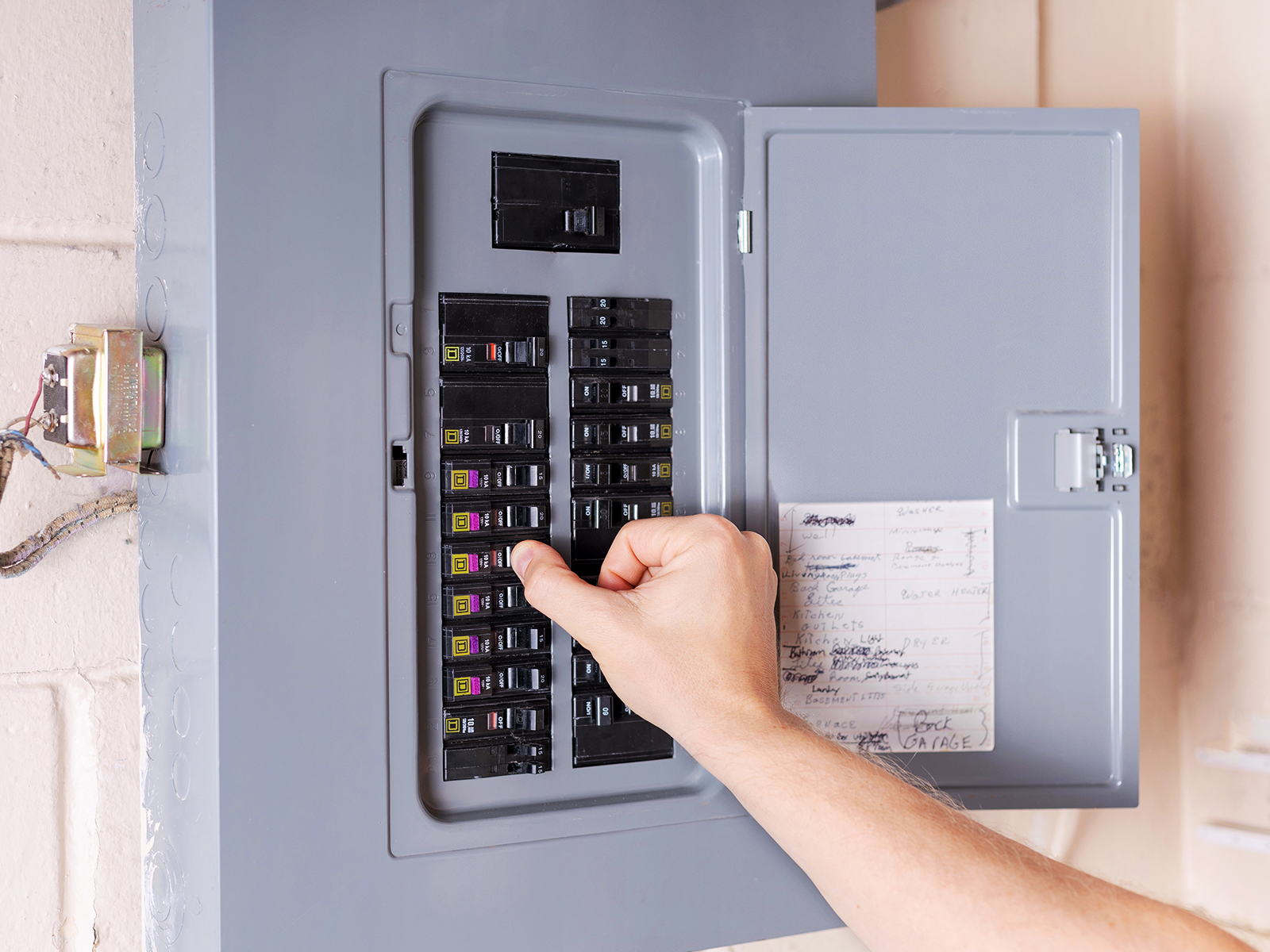
Circuit breakers are commonly found in breaker panels, circuit breaker boxes, and distribution boards. They are often used in high amperage circuits and modern electrical systems, where their ability to reset and handle higher breaking capacity provides significant advantages over traditional fuses.
Key Differences Between a Fuse and a Circuit Breaker

Speed and Sensitivity

Fuses are highly sensitive and have a faster response time compared to circuit breakers. This makes them ideal for applications requiring immediate protection against excessive current. However, their single-use nature means they are better suited for short-term solutions. Circuit breakers, while slightly slower in response, offer better long-term reliability and are more suitable for modern electrical systems.

Convenience and Resetting

One of the most significant advantages of circuit breakers over fuses is their ease of use. Fuses require manual replacement each time they blow, which can be time-consuming and inconvenient. Circuit breakers, on the other hand, can be reset either manually or automatically, eliminating the need to keep spare fuses and simplifying maintenance.

Cost and Replacement

Fuses have a lower initial cost, making them an attractive option for budget-conscious projects or systems. However, their single-use nature means that frequent fuse replacement can add up over time. Circuit breakers, while having a higher cost up front, are more efficient in the long run due to their reusable design and reduced maintenance requirements.

Applications in Homes and Power Distribution

Fuses are still used in older homes, automotive applications, and specific electronic equipment where their sensitivity is advantageous. In contrast, circuit breakers are now the standard in modern homes and commercial power distribution systems. They are commonly installed in breaker panels and circuit breaker boxes, offering better protection and ease of use for homeowners and professionals alike.

Safety and Code Compliance for Homeowners

Ensuring that your home’s electrical system is compliant with modern safety codes is crucial for protecting your property and its occupants. Both fuses and circuit breakers are essential safety features, but they must be used correctly to prevent potential hazards. For instance, bypassing critical safety features like arc fault or ground fault protection can lead to severe electrical faults or even fires.

If you frequently experience tripping circuit breakers or blown fuses, it may indicate underlying issues such as excessive current or mechanical failure in your system. Addressing these problems promptly is essential for maintaining safety. Additionally, as electrical codes evolve, homeowners should ensure their electrical safety devices comply with the latest standards, such as the 2025 code updates.

Should You Upgrade to Circuit Breakers?

Upgrading to circuit breakers is often recommended for homeowners dealing with high amperage circuits or modern electronic equipment. Circuit breakers provide better protection against power surges, excessive current, and other common electrical faults. Their reusable design and higher breaking capacity make them a superior choice for today’s electrical systems.

For those with outdated fuse boxes or older distribution boards, upgrading to a breaker panel or surface mount system can significantly enhance safety and convenience. Circuit breakers also offer advanced features, such as ground fault protection, which can further reduce risks in your home’s electrical system.

Consulting a professional electrician like Lywood, can help you determine whether an upgrade is necessary and guide you through the process. With expert advice, you can ensure your system is equipped to handle the demands of modern electronic devices while adhering to current safety standards.

How Lywood Can Help with Electrical Safety

Lywood specializes in ensuring the safety and reliability of your home’s electrical system. By offering comprehensive inspections and risk assessments, Lywood can identify issues such as electrical faults, outdated fuse boxes, or breaker panels that may not comply with modern standards. Whether you have concerns about power distribution, short circuits, or excessive current, their team is equipped to provide tailored recommendations to improve your system's safety and performance.

From upgrading fuse blocks to modern circuit breaker boxes, Lywood offers solutions that are designed to meet the demands of today’s high amperage circuits and electronic equipment. We also have expertise in working with solar PV systems, surface mount setups, and advanced safety features like ground fault protection. With Lywood’s help, you can rest assured that your electrical system will be both efficient and code-compliant, providing peace of mind for years to come.

Talk to Lywood About Your Home’s Electrical System

Schedule an assessment with Lywood to evaluate your home’s electrical circuit and identify potential safety risks. Our team can help you determine whether your current setup, including fuse holders or breaker panels, is suitable for handling modern electrical devices and preventing power overloads. With our expert guidance, you can avoid issues like mechanical failure or frequent fuse replacement while ensuring a reliable flow of electricity in your home.

Upgrading to a modern circuit breaker system or improving your existing power distribution setup has never been easier. Contact Lywood today to discuss your needs and take the first step toward a safer, more efficient electrical system.

Contact our team to schedule an assessment of your electrical circuit!

Service One Together Line