Our Services

Energy Efficiency Tips for Winter: How to Lower Your Electric Bill

As the colder months approach, implementing energy efficiency tips for winter can make a big impact on your utility bills. From saving energy on heating to reducing electricity usage with small changes, there are plenty of easy ways to ensure your home remains comfortable while keeping costs in check. Winter weather often leads to increased energy consumption, but with the right strategies, you can save money and reduce energy waste effectively.

Colder temperatures often mean higher heating bills, but improving your home's energy efficiency can offset these costs. With solutions ranging from weatherstripping doors to upgrading to energy-efficient appliances, you can significantly lower your monthly bill. This guide from Lywood will explore practical tips and smart home upgrades to help you manage your energy usage, reduce heat loss, and maintain a warm, energy-efficient home during the winter season.
Why Winter Drives Up Electric Bills for Facilities

Winter often brings an increase in energy consumption due to several factors that affect both residential and commercial facilities. Electric heating systems and heat pumps are heavily relied upon during cold weather, significantly raising electricity usage. Additionally, the longer lighting hours required during shorter days add to overall energy consumption.

Heat loss caused by improper insulation is another major contributor to high utility bills during winter. When warm air escapes and cold air infiltrates your home, your heating systems have to work harder, leading to energy waste and increased costs. Furthermore, ventilation systems and process loads in commercial facilities also drive monthly bills higher during the colder months.

Other factors, like demand charges and spikes in electricity usage during peak hours, further add to the financial burden. Addressing these issues with energy-saving solutions can help reduce heating energy demands and lower your monthly bill during winter.

Low-Cost Operational Energy Efficiency Tips for Winter

Adjust Thermostat Settings to Save Energy

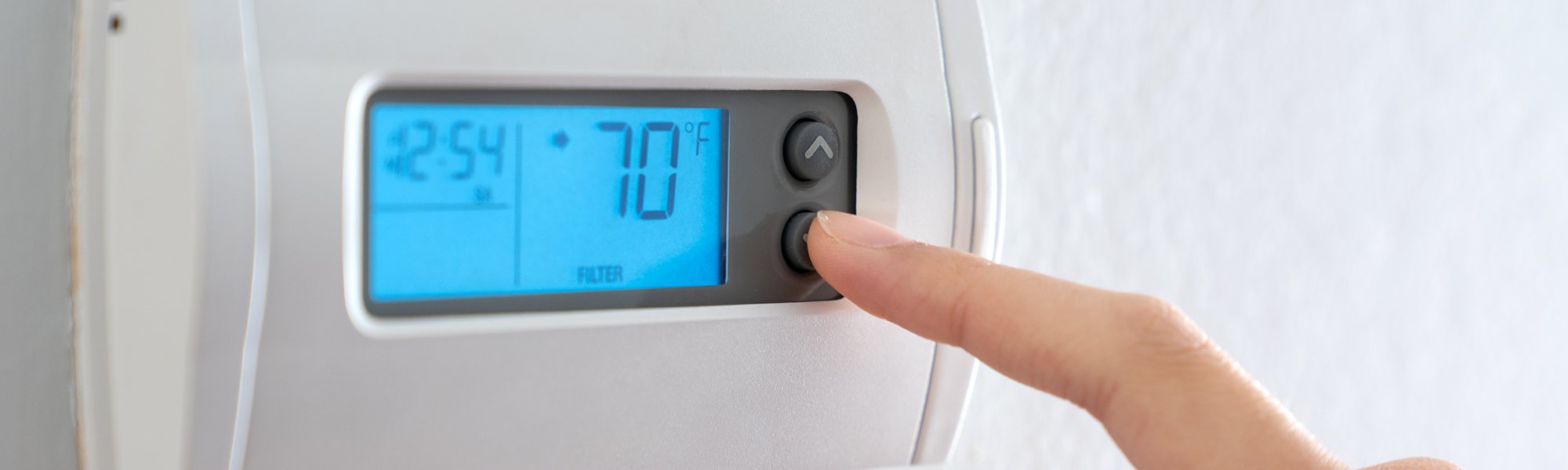
One of the easiest ways to save energy during winter is by adjusting your thermostat settings. Lowering your home's temperature by just a few degrees when you’re away or asleep can result in significant savings. Using a programmable thermostat allows you to automate these adjustments, ensuring energy usage is optimized without sacrificing comfort.

Seal Gaps With Weatherstripping and Door Sweeps

Sealing gaps in your home is essential for reducing heat loss and improving energy efficiency. Weatherstripping doors and windows, as well as installing door sweeps, can prevent cold air from entering and warm air from escaping. These affordable fixes are available at any hardware store and can make a noticeable difference in your heating bills.

Reduce Electricity Usage by Unplugging Standby Power Sources

Standby power, often referred to as "vampire power," occurs when appliances and electronics consume electricity even when not in active use. Unplugging devices like chargers, TVs, and coffee makers can help reduce electricity usage. Advanced power strips can further simplify this process by automatically cutting power to devices not in use.

Use Ceiling Fans to Circulate Warm Air Efficiently

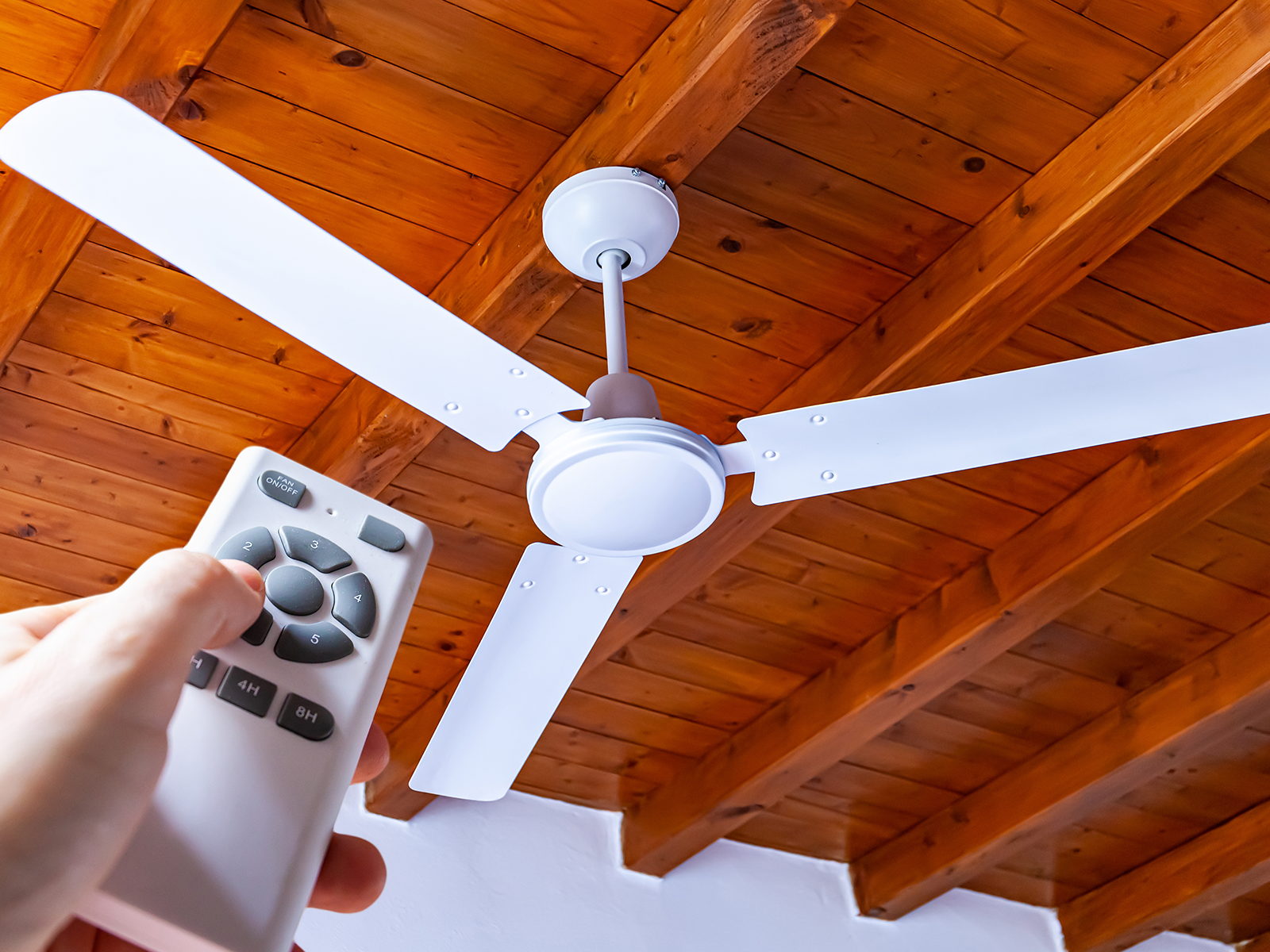
Many people associate ceiling fans with cooling, but they can also be used in winter to improve warm air circulation. By reversing the fan's direction, you can push warm air that has risen to the ceiling back down into the living space, helping to maintain a consistent temperature and reduce reliance on your heating system.

Wash Clothes With Cold Water and Full Loads to Save Money

Washing machines can consume significant amounts of energy, especially when using hot water. Switching to cold water for laundry and only running full loads can lead to substantial savings. This not only reduces electricity usage but also extends the lifespan of your clothes, making it a win-win solution.

Optimize Lighting Schedules With Advanced Power Strips

Holiday lights and other seasonal decorations can increase your electricity bill during winter. Using advanced power strips to control lighting schedules ensures that lights are only on when needed, reducing energy waste. This is an easy way to enjoy festive lighting without incurring excessive costs.

Automation and Monitoring for Winter Energy Management

Automation and monitoring tools can help you track and optimize your energy usage during the colder months. Installing a smart meter provides real-time data on your electricity consumption, allowing you to identify areas for improvement. An energy audit, performed by a professional or through DIY methods, can uncover hidden opportunities for saving energy.

Building automation systems offer advanced energy management capabilities by automating HVAC settings, lighting, and other energy-consuming systems. These systems can reduce cooling costs, optimize thermostat settings, and lower your electricity bill by adjusting operations based on actual demand. Additionally, submetering can help track delivery charges and identify inefficiencies in energy usage, ensuring that your home or facility remains cost-effective during winter.

How to Lower Your Electric Bill in the Winter With Smart Upgrades

Install LED Light Bulbs for Long-Term Savings

Switching to LED light bulbs is a cost-effective upgrade that can significantly lower electricity bills. These bulbs use less energy and have a much longer lifespan than traditional incandescent bulbs, making them a smart investment for winter and beyond.

Upgrade to Energy-Efficient HVAC Systems or Heat Pumps

Replacing an outdated HVAC system or installing a modern heat pump can dramatically improve your home’s energy efficiency. These energy-efficient appliances use less energy to maintain your home’s temperature, reducing heating bills while keeping your space comfortable during winter weather.

Add Insulation and Weatherstrip Doors for Reduced Heat Loss

Proper insulation is key to preventing heat loss and reducing energy consumption during winter. Adding insulation to your attic, walls, and floors can keep warm air inside your home. Additionally, weatherstripping doors and windows is a low-cost way to minimize drafts and improve overall energy efficiency.

Consider Renewable Energy Solutions for Big Impact Savings

Investing in renewable energy solutions, such as solar panels, can lead to long-term savings on your electricity bill. While the initial costs may be higher, the reduction in energy waste and reliance on grid power during colder months can make this a worthwhile upgrade.

Replace Furnace Filters and Clean Duct Work Regularly

Dirty filters and clogged duct work can reduce the efficiency of your heating system, leading to higher energy usage and utility bills. Regularly replacing furnace filters and cleaning your duct work ensures proper air flow and helps your HVAC system operate at peak performance.

Use Programmable Thermostats to Manage Your Home's Temperature

Programmable thermostats are a simple yet effective tool for managing your home’s temperature efficiently. By scheduling temperature changes based on your daily routine, you can save energy without compromising comfort. This upgrade can have a big impact on your heating energy costs.

Safety and Compliance for Winter Energy Projects

When undertaking energy-saving projects, it is essential to prioritize safety and compliance. Following guidelines from the U.S. Department of Energy ensures that your upgrades meet established safety standards. Hiring licensed professionals for complex tasks, such as electrical upgrades or HVAC installations, minimizes risks and ensures proper execution.

Regular inspections of your systems can prevent energy waste and avoid unexpected spikes in heating bills. Proper installation practices for home upgrades, such as insulation or renewable energy solutions, not only improve energy efficiency but also support your carbon footprint reduction goals. By adhering to these safety measures, you can make your winter energy projects both effective and secure.

Plan Your Winter Energy Strategy With Lywood

Winter weather often leads to higher energy consumption, but adopting small changes and proactive strategies can help you save energy and reduce costs. From simple steps like sealing gaps with weatherstripping to larger investments such as upgrading to energy-efficient appliances, there are numerous ways to improve your home’s energy efficiency during colder months. These energy tips not only lower your utility bills but also contribute to a more sustainable and comfortable living environment.

At Lywood, we specialize in helping homeowners and businesses create effective winter energy strategies tailored to their specific needs. Our experts provide guidance on energy-saving solutions, home upgrades, and proper insulation techniques to reduce heat loss and electricity usage. Contact us today to learn more about how we can help you achieve your energy efficiency goals while keeping your home warm and cozy throughout the winter season.

Contact our team to increase your energy efficiency!

Service One Together Line